

Are you looking for the best WordPress personal trainer booking website examples? If you are, keep reading this article. Here, we are going to show you 15 of the top options for inspiration.
A strong online presence is essential for personal trainers who want to attract clients and manage bookings more efficiently. The best WordPress personal trainer booking website examples combine modern design, mobile-friendly layouts, and seamless scheduling features to create a professional user experience.
From online coaching platforms to gym-based trainer websites, a well-designed booking system can improve conversions and simplify appointment management.
In this collection, we will explore some of the top WordPress personal trainer booking website examples and highlight the features, layouts, and booking experiences that make them stand out.
Table of Contents
What Makes a Great Personal Trainer Booking Website?
A successful personal trainer booking website should make it easy for visitors to learn about services, build trust, and book sessions without confusion. The best WordPress personal trainer booking website examples usually combine strong design, fast performance, and user-friendly scheduling features.
- Simple and easy-to-use online booking system
- Mobile-friendly design for users booking from smartphones
- Clear presentation of training programs and services
- Professional trainer profile with certifications and experience
- Client testimonials and transformation galleries for social proof
- Fast-loading pages and smooth navigation
- Visible calls to action that encourage bookings
- Online payment and package booking options
- Clear pricing and consultation details
- Contact forms and communication options for potential clients
And so on.
Key Features to Look for in a Personal Trainer Booking Website
The best WordPress personal trainer booking website examples include features that improve scheduling, user experience, and client management.
- Online Appointment Booking: Allows clients to schedule training sessions directly from the website without manual communication.
- Trainer Availability Management: Displays available time slots and helps avoid double bookings or scheduling conflicts.
- Membership and Package Booking: Lets clients purchase fitness packages, memberships, or recurring training plans online.
- Mobile-Friendly Design: Ensures the website and booking system work smoothly across smartphones and tablets.
- Payment Integration: Supports secure online payments for consultations, memberships, and training sessions.
- Workout Program Listings: Helps trainers clearly present fitness programs, coaching plans, and specialized services.
- Client Testimonials and Reviews: Builds trust by showcasing client feedback, success stories, and transformation results.
- Contact and Consultation Forms: Make it easier for potential clients to ask questions or request consultations before booking.
Top WordPress Personal Trainer Booking Website Examples
Now let’s see the top examples you can use for inspiration.
1. CSS Fitness
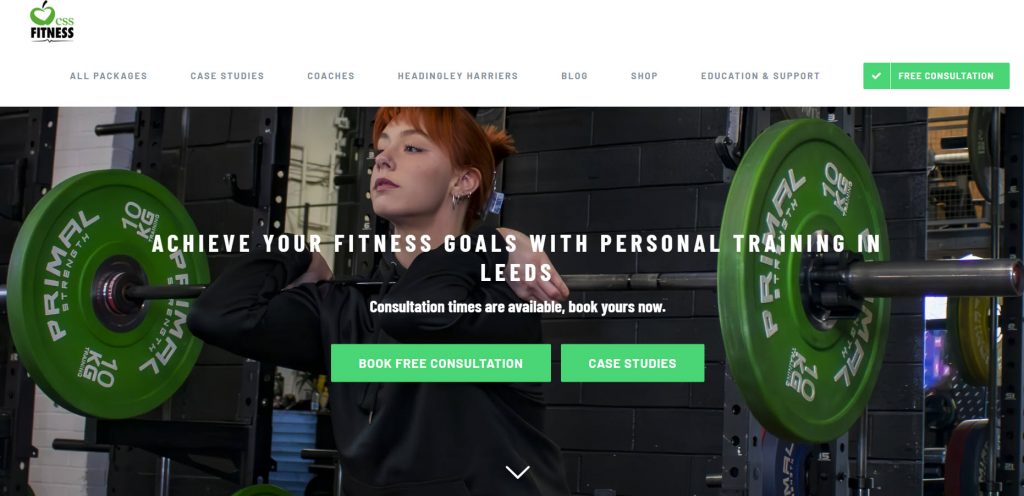
CSS Fitness is a personal training website focused on strength coaching, body transformation, fat loss, and fitness training in Leeds. The website uses a modern fitness-focused design with strong calls to action, transformation-focused messaging, and multiple consultation entry points throughout the homepage.
The site is structured to guide users toward booking consultations and exploring personal training packages. It also combines fitness content, testimonials, and service pages effectively to build trust with potential clients.
Design and User Experience
CSS Fitness uses bold typography, fitness imagery, testimonials, and transformation-focused sections to keep users engaged. The homepage is structured clearly with strong spacing, large call-to-action buttons, and dedicated sections for reviews, programs, and coaching benefits.
The website also performs well visually on mobile devices, which is important for fitness websites where many users browse and book sessions from smartphones.
What You Can Learn From This Website
CSS Fitness is a strong example of how personal trainer booking websites can combine conversion-focused design with simple scheduling workflows. The website shows how effective calls to action, clear service presentation, and strong social proof can help improve booking conversions and user engagement.
2. Scott Laidler
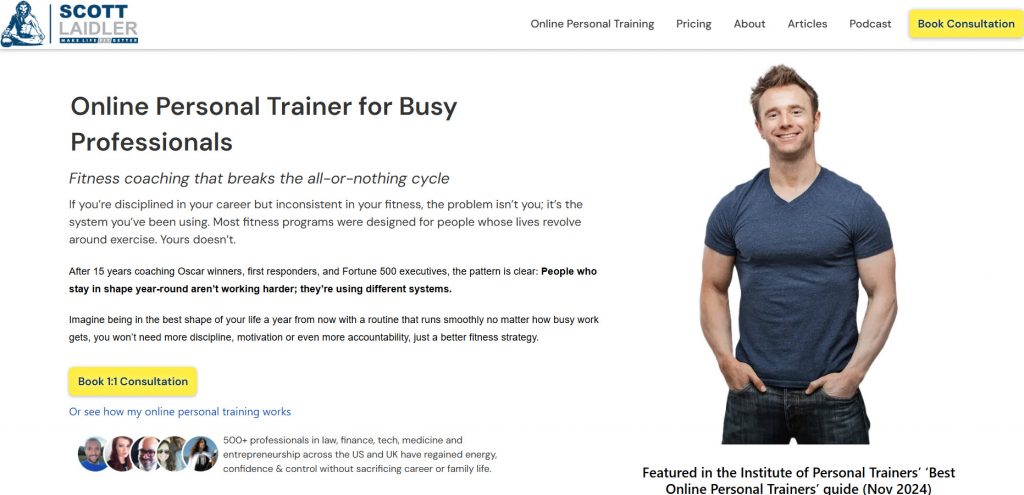
Scott Laidler’s website focuses on premium online personal training and consultation-based fitness coaching for busy professionals. The website positions fitness coaching as a long-term personalized service rather than a standard gym program, helping it stand out from many traditional trainer websites.
The platform combines consultation booking, educational content, testimonials, and coaching information to create a highly trust-focused user experience. The site structure also guides visitors toward booking a consultation through multiple conversion points.
Design and User Experience
The website uses a clean, premium design with large typography, spacious layouts, professional imagery, and strong credibility-focused sections. Instead of aggressive fitness marketing, the site focuses more on expertise, coaching quality, and transformation results.
Navigation is straightforward, and the consultation-focused layout keeps users moving naturally toward booking actions. The mobile experience also remains smooth and responsive across devices.
What You Can Learn From This Website
Scott Laidler’s website is a strong example of how personal trainer booking websites can use consultation funnels to create a more premium coaching experience. The site shows how professional branding, trust-building content, and clear consultation workflows can help generate higher-quality fitness leads.
3. SpeakEasy of Strength
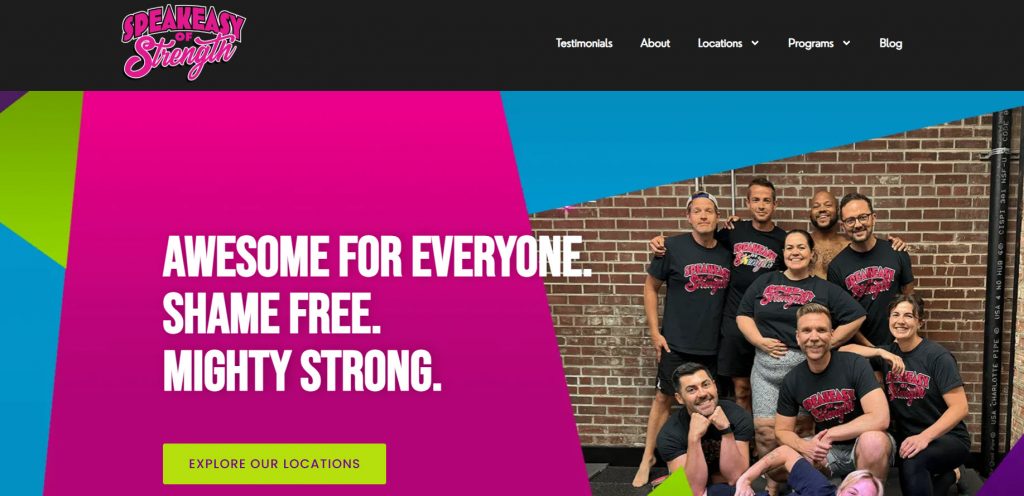
Speakeasy of Strength is a strength training and personal coaching brand that focuses heavily on community-driven fitness and gym-based training. The website uses a bold and modern design style with strong branding, location-based navigation, and clear service organization for visitors exploring training options.
One of the standout elements of the website is its multi-location structure. The site makes it easy for users to browse gym locations, explore coaching services, and learn more about the training environment before booking or contacting the team.
Design and User Experience
Speakeasy of Strength uses dark color palettes, bold typography, strong imagery, and structured layouts to create a premium gym-focused appearance. The branding feels highly consistent throughout the website, helping strengthen the overall user experience.
The location pages are organized clearly, making navigation easier for users exploring different training facilities. The site also balances visual design with readability, avoiding overcrowded layouts despite using strong visual elements.
What You Can Learn From This Website
Speakeasy of Strength is a strong example of how multi-location personal trainer websites can organize services, branding, and navigation effectively. The website demonstrates how location pages, strong visual identity, and clear user pathways can improve both user experience and booking engagement.
4. Forge PT
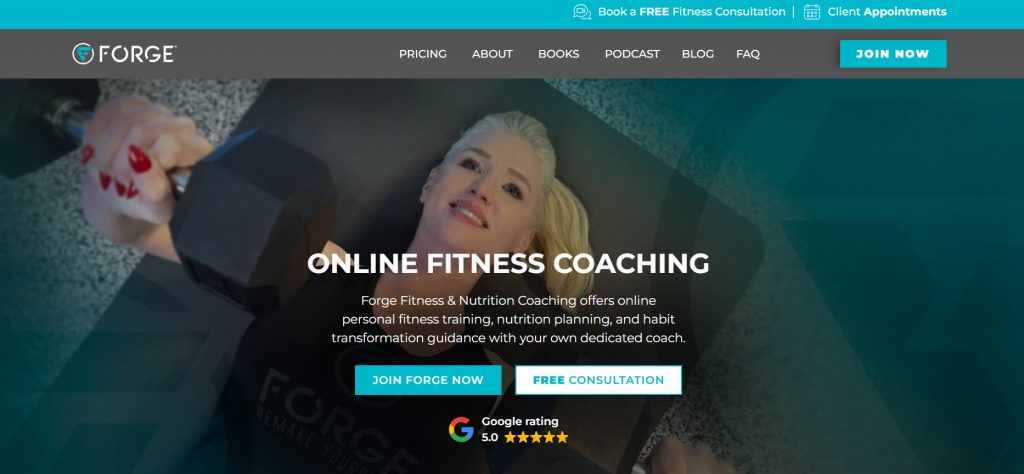
Forge PT is a modern personal training website focused on strength training, body transformation, and performance coaching. The website combines bold fitness branding with a clean and highly conversion-focused structure that guides visitors toward consultations and coaching inquiries.
The site uses a professional layout with clear service segmentation, trainer-focused messaging, and multiple trust-building sections. It balances strong visuals with readable content, making the user experience feel polished without becoming overwhelming.
Design and User Experience
Forge PT uses dark design elements, strong typography, professional fitness photography, and spacious layouts to create a premium fitness brand appearance. The homepage sections are structured clearly, helping users move naturally through services, testimonials, and booking opportunities.
The mobile experience remains responsive and easy to navigate, which is important for fitness websites where many users browse and inquire through smartphones. The website also uses modern fitness design trends without making the interface feel cluttered.
What You Can Learn From This Website
Forge PT is a strong example of how personal trainer booking websites can combine premium branding with a simple conversion-focused user journey.
The website demonstrates how a strong visual hierarchy, consultation funnels, and a structured service presentation can improve user engagement and lead generation.
5. Matt Roberts
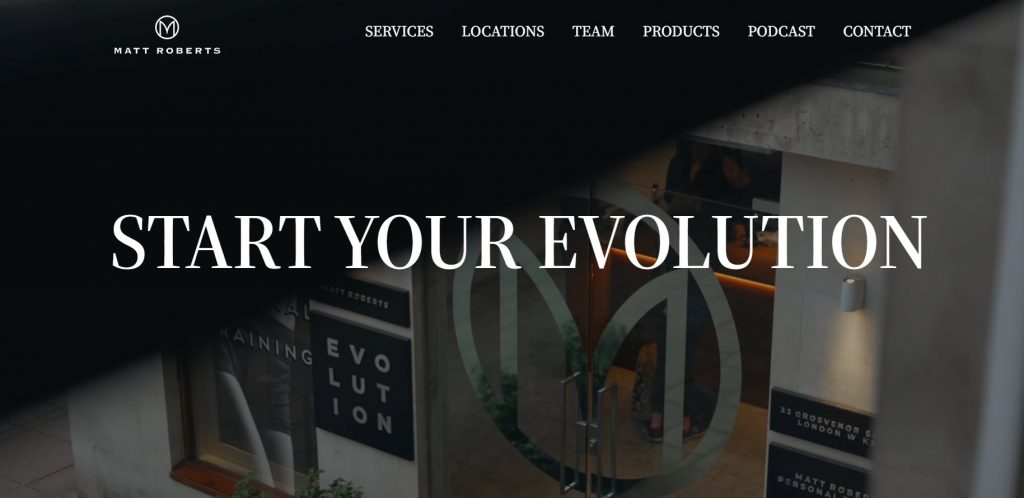
Matt Roberts is a premium personal training and fitness coaching brand with multiple training locations and a highly professional online presence. The website focuses on luxury fitness services, expert coaching, and personalized wellness programs, positioning itself toward high-end personal training clients.
The multi-location structure is one of the strongest aspects of the website. Visitors can easily browse training locations, explore coaching services, and learn more about available facilities through organized location pages and service sections.
Design and User Experience
Matt Roberts uses a clean, luxury-style design with spacious layouts, professional imagery, modern typography, and consistent branding throughout the website. The visual presentation feels polished while still maintaining clear readability and easy navigation.
The location pages are especially well-structured, making it easy for users to browse different fitness studios without confusion. The website also performs well on mobile devices, which is important for users exploring services and consultations from smartphones.
What You Can Learn From This Website
Matt Roberts is a strong example of how personal trainer booking websites can combine luxury branding with structured navigation and consultation-focused lead generation.
The website demonstrates how premium presentation, location-based organization, and clear booking pathways can improve both user experience and conversion potential.
6. Ultimate Performance
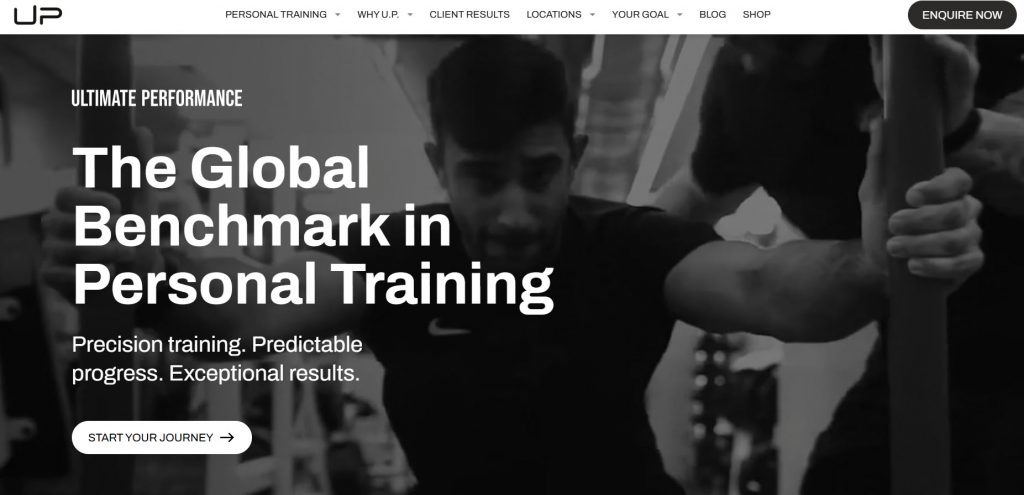
Ultimate Performance is a globally recognized personal training brand focused on body transformation, strength coaching, and high-performance fitness training. The website combines professional branding, detailed fitness content, and strong consultation-focused messaging to create a premium user experience.
The site is structured clearly with dedicated pages for personal training programs, transformation results, trainer information, and gym locations. Its strong emphasis on measurable results and client success stories helps build trust quickly with potential clients.
Design and User Experience
Ultimate Performance uses a clean and professional fitness design with bold typography, high-quality transformation imagery, and structured content sections. The website balances strong visual branding with readability, helping visitors stay engaged without feeling overwhelmed.
The multi-location structure is also well-organized, allowing users to easily explore nearby training facilities and coaching services. Mobile responsiveness remains strong across the website, which is essential for modern fitness booking experiences.
What You Can Learn From This Website
Ultimate Performance is a strong example of how premium personal trainer websites can combine transformation-focused marketing with structured consultation funnels.
The website demonstrates how trust signals, organized service pages, and professional branding can improve user engagement and lead generation.
7. Tone House
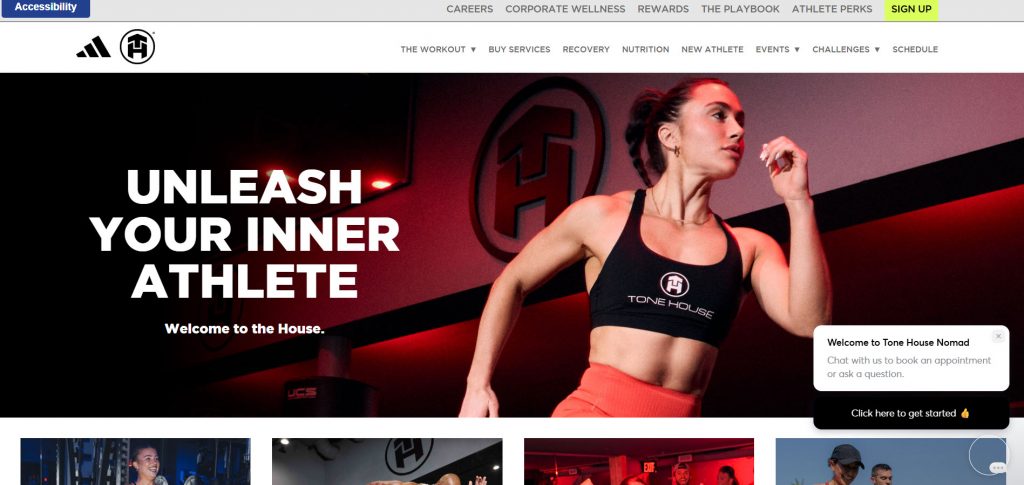
Tone House is a performance-focused fitness training brand known for high-intensity group workouts and athletic conditioning programs. The website combines strong fitness branding with a modern, booking-focused structure that encourages visitors to quickly explore classes, memberships, and training schedules.
The platform is designed around energy, movement, and performance training, using bold visuals and strong calls to action throughout the site. Its structure makes it easy for users to navigate between class information, membership details, and booking-related pages.
Design and User Experience
Tone House uses dark visual themes, high-energy fitness imagery, bold typography, and dynamic layouts to create an intense athletic brand identity. The homepage immediately communicates the gym’s training style through strong visuals and action-focused messaging.
The website also maintains a good level of content organization despite the visually heavy design. Navigation remains straightforward, and the mobile experience feels responsive and optimized for users browsing schedules or classes from smartphones.
What You Can Learn From This Website
Tone House is a strong example of how fitness booking websites can use branding and visual intensity to create a memorable user experience. The website demonstrates how strong visual hierarchy, clear navigation, and performance-focused messaging can help increase user engagement and support fitness-related bookings.
8. We The Pack
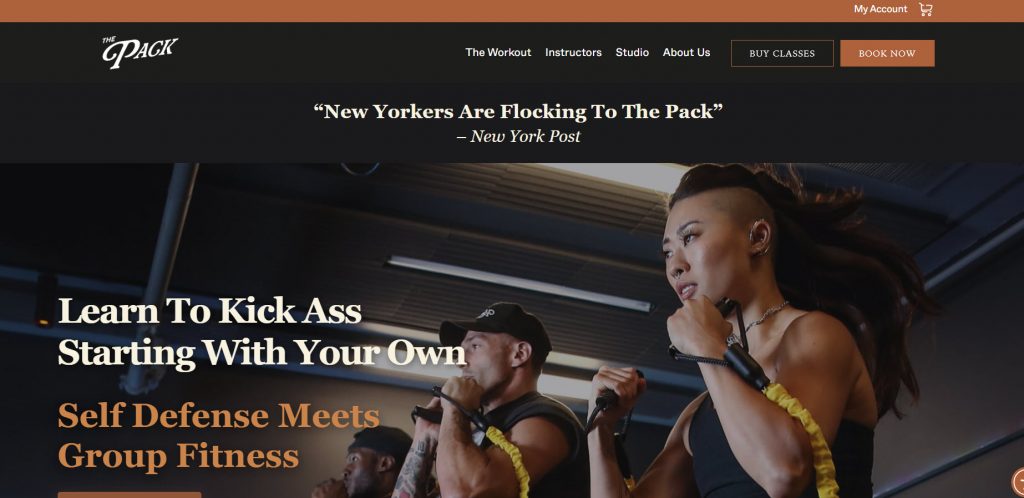
The Pack is a high-intensity fitness and performance training brand focused on strength, conditioning, and group-based workout experiences. The website combines bold branding, modern fitness visuals, and clear booking-focused messaging to encourage visitors to explore memberships, training sessions, and class schedules.
The platform is built around community-driven fitness experiences and uses strong calls to action throughout the site to guide users to book classes and learn more about the training programs. The website also includes multiple location pages, instructor sections, and structured fitness content.
Design and User Experience
The Pack uses dark visual themes, large typography, cinematic fitness imagery, and modern layouts to create a premium athletic brand identity. Strong hero sections and action-focused design elements help maintain user engagement throughout the website.
Despite the visually intense design, navigation remains smooth and user-friendly. Visitors can easily browse classes, memberships, instructors, and booking-related pages without confusion. The mobile experience is also well optimized for users booking sessions on smartphones.
What You Can Learn From This Website
The Pack is a strong example of how fitness booking websites can combine premium branding with community-focused marketing and streamlined scheduling experiences. The website demonstrates how a strong visual identity, an organized content flow, and a mobile-friendly design can improve user engagement and booking conversions.
9. Fit Father Project
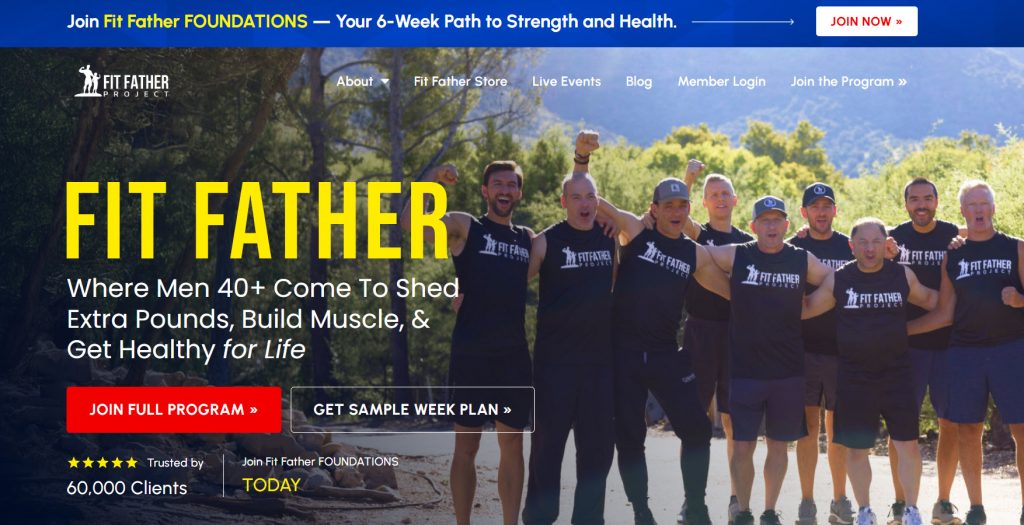
Fit Father Project is a fitness and health coaching platform designed specifically for men over 40. The website focuses on long-term health transformation, weight loss, muscle building, and lifestyle coaching through structured fitness programs and community-driven support.
Unlike many traditional personal trainer websites, Fit Father Project combines coaching programs, educational content, nutrition guidance, and membership-style fitness systems into one centralized platform. The website strongly emphasizes trust, transformation stories, and sustainable fitness habits.
Design and User Experience
The website uses a clean, highly conversion-focused layout with large headlines, transformational imagery, testimonial sections, and strong calls to action throughout the homepage. The design focuses heavily on building credibility and encouraging users to join programs or explore fitness resources.
Fit Father Project also organizes large amounts of content effectively through structured sections, making it easy for users to browse coaching programs, articles, and community features without feeling overwhelmed. The mobile experience remains smooth and optimized for users exploring fitness plans from smartphones.
What You Can Learn From This Website
Fit Father Project is a strong example of how personal trainer websites can combine coaching programs, educational content, and membership-style fitness systems into a highly engaging platform. The website demonstrates how transformation-focused marketing, strong social proof, and clear conversion pathways can help build trust and increase program signups.
10. Girls Gone Strong
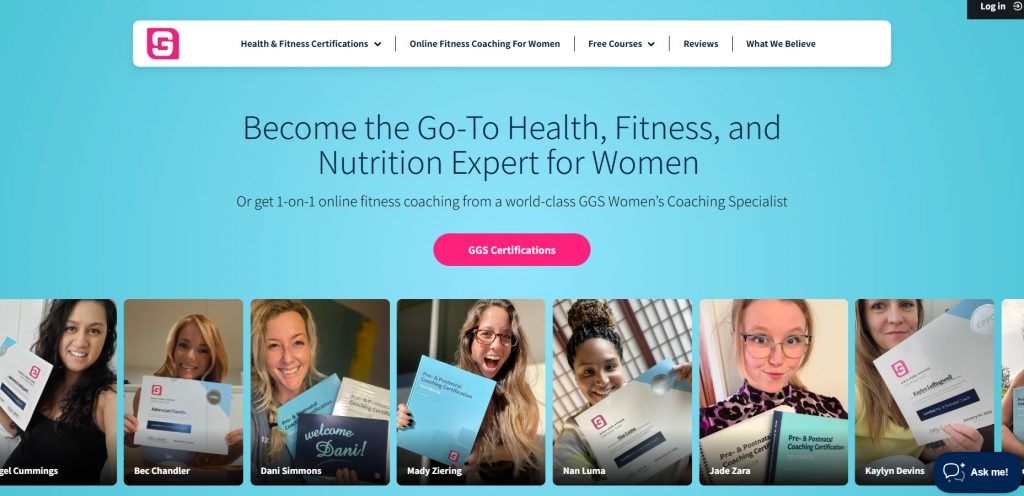
Girls Gone Strong is a fitness and coaching platform focused on women’s health, strength training, nutrition, and wellness education. The website combines fitness coaching, certification programs, educational resources, and community-driven content into a highly structured online platform.
Unlike many traditional personal trainer websites, Girls Gone Strong places strong emphasis on long-term wellness, evidence-based coaching, and supportive fitness education. The platform also integrates coaching programs, online learning, and membership-style experiences to create a more comprehensive fitness ecosystem.
Design and User Experience
The website uses a clean and approachable design with soft color palettes, organized content sections, readable typography, and strong educational layouts. The homepage balances coaching information, blog content, testimonials, and program promotion without feeling overcrowded.
Navigation is structured clearly, allowing users to easily explore fitness coaching, certifications, wellness resources, and community programs. The mobile experience is also optimized well for users browsing fitness content, coaching services, and online programs from smartphones.
What You Can Learn From This Website
Girls Gone Strong is a strong example of how personal trainer websites can combine coaching services with educational and community-focused content. The website demonstrates how organized layouts, trust-building content, and wellness-focused branding can help create a more engaging and supportive user experience.
11. Body By Simone
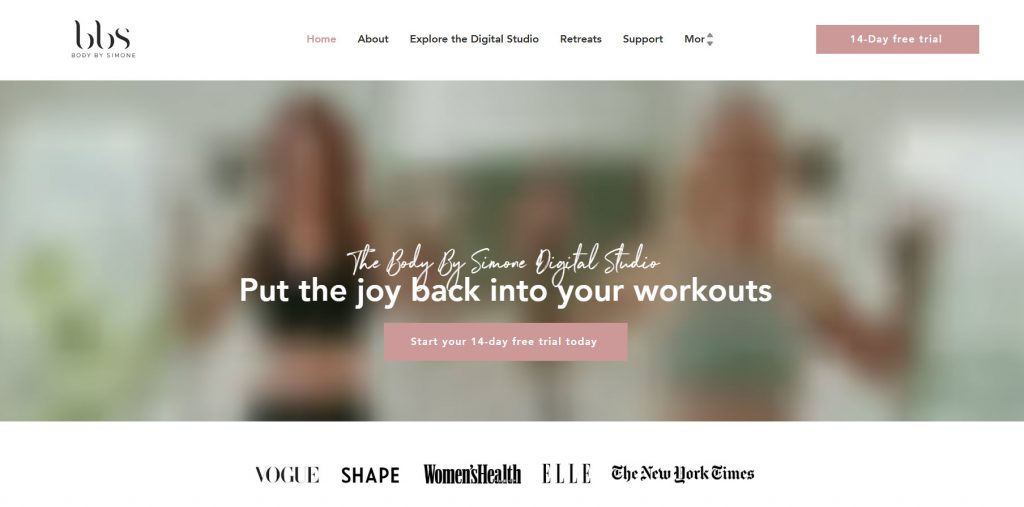
Body By Simone is a fitness and dance cardio training platform created around personalized coaching, on-demand workouts, and studio-based fitness programs. The website combines wellness-focused branding with modern booking and membership experiences, making it easy for users to explore classes, programs, and fitness services.
The platform strongly emphasizes lifestyle fitness, community engagement, and accessible training programs. It also integrates online memberships, workout subscriptions, and class scheduling into a highly organized fitness ecosystem.
Design and User Experience
The website uses bright visuals, elegant typography, clean layouts, and lifestyle-focused imagery to create a welcoming and premium fitness experience. Unlike aggressive gym-focused websites, Body By Simone uses softer visual elements and balanced spacing to make the platform feel approachable and modern.
Navigation is structured clearly, allowing users to move smoothly between workout programs, memberships, schedules, and instructor content. The mobile experience is also highly optimized, making it easy for users to browse classes and fitness programs from smartphones and tablets.
What You Can Learn From This Website
Body By Simone is a strong example of how personal trainers and fitness booking websites can combine wellness branding with membership-driven fitness experiences.
The website demonstrates how clean design, organized content structure, and lifestyle-focused visuals can help create a more engaging and user-friendly booking platform.
12. Third Space London
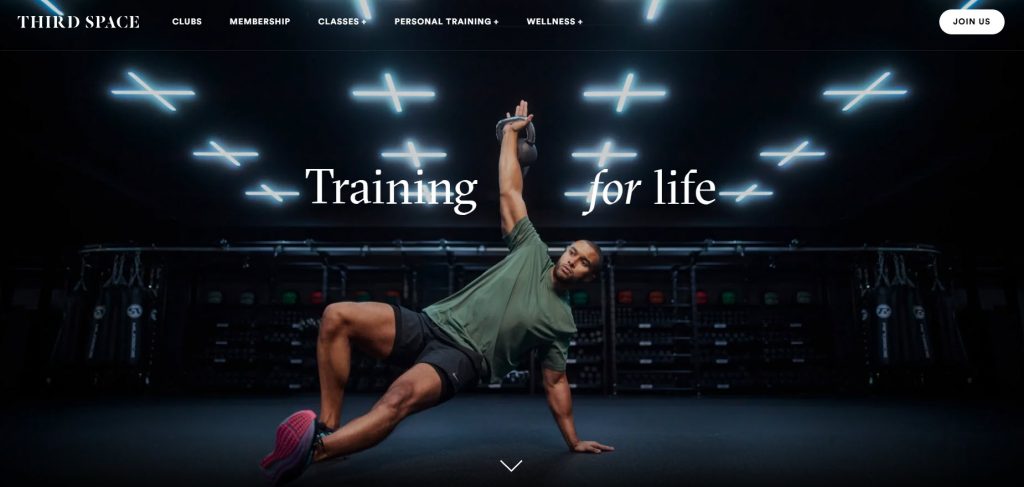
Third Space London is a luxury fitness and wellness brand that combines personal training, gym memberships, recovery services, spa facilities, and group fitness experiences into a premium multi-location platform. The website is designed to reflect a high-end fitness lifestyle while making it easy for users to explore clubs, trainers, and wellness services.
The platform strongly emphasizes exclusivity, modern fitness experiences, and personalized coaching. Multiple location pages, trainer profiles, and membership-focused sections help organize the large volume of content into a structured, user-friendly experience.
Design and User Experience
Third Space London uses minimalist layouts, cinematic imagery, premium typography, and dark luxury-style visuals to create a sophisticated brand identity. The website feels highly polished and modern while maintaining strong readability and clear navigation across all sections.
The site structure is especially strong for multi-location fitness businesses. Users can easily browse clubs, classes, wellness services, and personal training options without confusion. The mobile experience is also highly responsive, making it convenient for users to explore memberships and schedules on smartphones.
What You Can Learn From This Website
Third Space London is a strong example of how premium personal trainers and fitness booking websites can combine luxury branding with structured user experiences.
The website demonstrates how organized navigation, high-quality visuals, and multi-service presentation can help create a more engaging and professional fitness platform.
13. Orangetheory Fitness
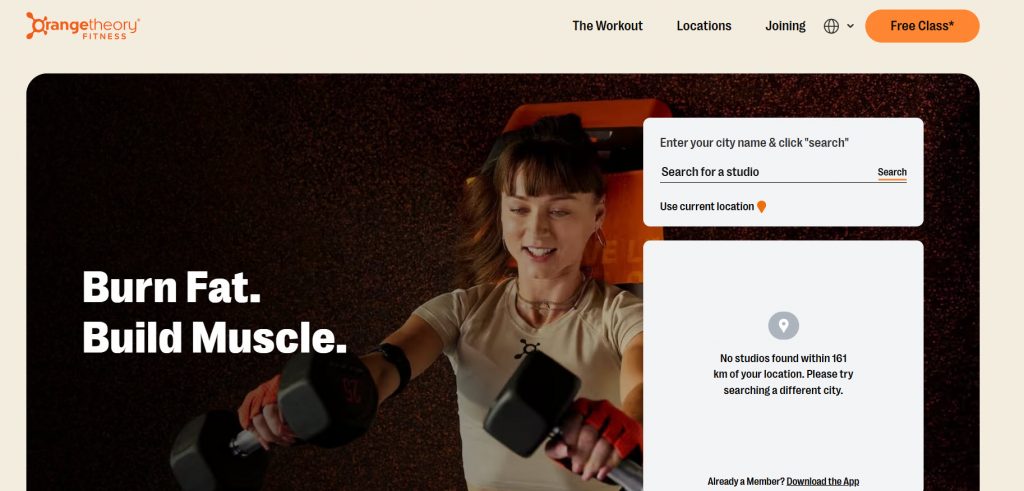
Orangetheory Fitness is a globally recognized fitness brand that combines heart rate–based interval training, group workouts, and technology-driven performance tracking into a highly structured fitness experience. The website focuses heavily on class booking, studio locations, membership plans, and fitness performance results.
The platform is designed to guide users toward booking trial classes, exploring nearby studios, and learning more about the Orangetheory training methodology. Its multi-location structure and strong conversion-focused layout make it a strong example of a modern fitness booking website.
Design and User Experience
Orangetheory Fitness uses bold orange branding, modern typography, energetic fitness imagery, and structured layouts to create a recognizable and highly engaging visual identity. The homepage immediately highlights class bookings, studio search tools, and membership-focused calls to action.
Despite handling large amounts of content and multiple location pages, the website remains easy to navigate. Users can quickly browse classes, schedules, studio locations, and training information across both desktop and mobile devices. The mobile experience is especially optimized for users searching nearby studios and booking sessions from smartphones.
What You Can Learn From This Website
Orangetheory Fitness is a strong example of how large-scale fitness brands can combine multi-location management with streamlined booking experiences and strong visual branding.
The website demonstrates how structured navigation, performance-focused messaging, and mobile-friendly scheduling systems can help improve user engagement and class bookings.
14. KXU Fitness Club
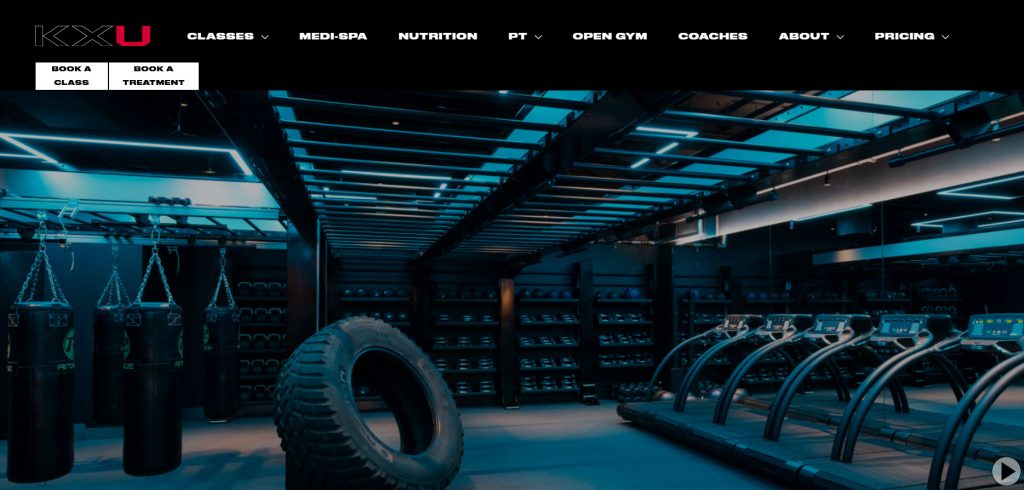
KXU Fitness Club is a premium boutique fitness and wellness brand that combines personal training, studio classes, recovery services, and luxury gym experiences into one modern platform. The website focuses heavily on high-end fitness branding, wellness-focused services, and streamlined class booking experiences.
The platform integrates memberships, fitness schedules, trainer information, and wellness services into a clean multi-service structure. Its premium positioning is reinforced through elegant visuals, organized content flow, and strong lifestyle-focused messaging throughout the website.
Design and User Experience
KXU Fitness Club uses minimalist layouts, sophisticated typography, luxury wellness imagery, and balanced spacing to create a polished user experience. Unlike aggressive fitness-focused websites, the design feels refined and wellness-oriented while still maintaining strong calls to action.
The website navigation is highly structured, allowing users to easily browse personal training, classes, spa services, memberships, and schedules. The mobile experience also performs smoothly, especially for users exploring classes and booking-related pages from smartphones.
What You Can Learn From This Website
KXU Fitness Club is a strong example of how premium personal trainers and wellness websites can combine luxury branding with organized booking experiences.
The website demonstrates how clean layouts, structured navigation, and lifestyle-focused design can help create a more professional and engaging fitness platform.
15. Trainiac by Gympass
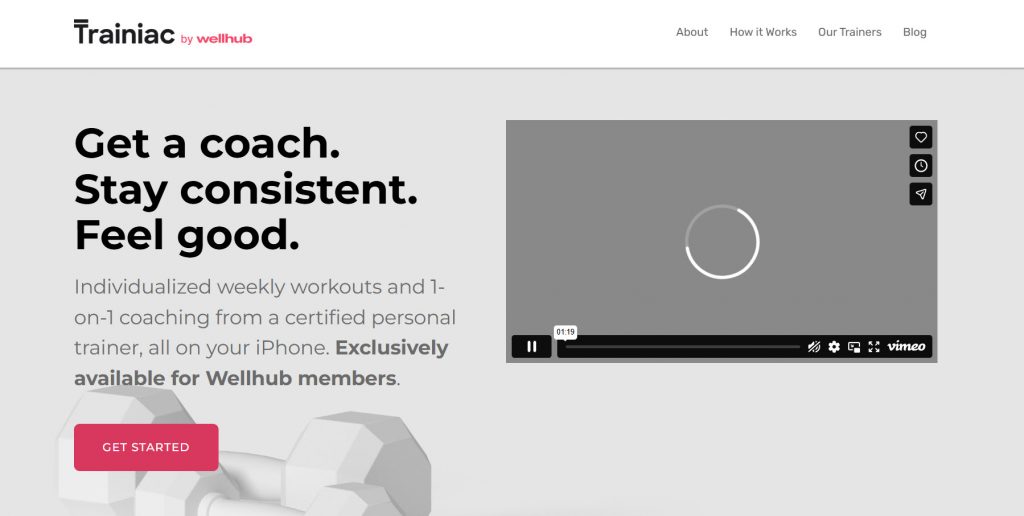
Trainiac by Gympass is an online personal training platform that combines fitness coaching, digital workout planning, and personalized accountability systems into a streamlined coaching experience. The website focuses heavily on remote coaching, app-based fitness management, and one-on-one trainer support for users looking for flexible online fitness solutions.
Unlike many traditional gym websites, Trainiac positions itself as a technology-driven fitness coaching platform. The site emphasizes personalized fitness plans, virtual coaching relationships, and app-connected workout tracking to create a more modern digital training experience.
Design and User Experience
The website uses a clean, highly modern interface with simple layouts, large typography, bright visuals, and structured content sections, making navigation feel smooth and approachable. The design focuses heavily on usability and onboarding simplicity, which helps support its online coaching model.
The platform also uses strong call-to-action placement and organized fitness content to guide visitors naturally through the signup and coaching process. Mobile responsiveness is especially strong, which is important for users managing workouts, coaching communication, and scheduling through smartphones.
What You Can Learn From This Website
Trainiac by Gympass is a strong example of how personal trainer booking websites can evolve into fully digital coaching platforms.
The website demonstrates how simplified onboarding, app-focused experiences, and personalized coaching workflows can help create a more scalable and user-friendly fitness business model.
Design and Booking Trends in Personal Trainer Websites
To ensure better conversion rates, follow these trends:
Clean Landing Pages
Many modern personal trainer websites use clean and focused landing pages to keep visitors engaged. Simple layouts, strong headlines, and clear booking buttons help users quickly understand the services offered and encourage more appointment bookings.
Sticky Booking Buttons
Sticky booking buttons remain visible while users scroll through the website, making it easier to schedule sessions at any time. This trend helps improve booking conversions by keeping calls to action constantly accessible.
Mobile-First Layouts
Most users browse fitness websites from smartphones, which is why mobile-first design has become a major trend. Personal trainer websites now focus on responsive layouts, fast load times, and mobile-friendly booking systems to improve the user experience.
Video-Based Hero Sections
Many WordPress personal trainer booking website examples use video hero sections to create stronger first impressions. Short fitness clips, workout demonstrations, or trainer introductions can help build trust and increase engagement.
Membership and Package Booking
Modern trainer websites often allow clients to purchase memberships, recurring coaching plans, and fitness packages directly online. This makes the booking process more convenient while helping trainers generate recurring revenue.
Automated Scheduling
Automated scheduling tools help personal trainers manage appointments more efficiently by automatically handling confirmations, reminders, cancellations, and availability updates. This reduces manual work and improves client communication.
Common Mistakes Personal Trainer Websites Should Avoid
Even well-designed fitness websites can lose potential clients if the booking experience or website structure creates confusion. Avoiding these common mistakes can help improve conversions and user experience.
- Complicated Booking Forms: Long or confusing booking processes can discourage visitors from scheduling sessions.
- Poor Mobile Optimization: Many users book sessions from smartphones, so a non-responsive design can hurt conversions.
- Slow Website Speed: Slow-loading pages can increase bounce rates and reduce trust.
- Weak Calls to Action: Unclear booking buttons or missing calls to action can lower engagement.
- Missing Testimonials and Social Proof: Without reviews or transformation results, visitors may hesitate to trust the trainer.
- Unclear Pricing and Services: Hidden pricing or vague service descriptions can confuse potential clients.
- Overcrowded Website Design: Too many design elements or cluttered layouts can make navigation difficult.
- Lack of Contact Information: Missing consultation forms or contact details can reduce opportunities for lead generation.
How to Create a Personal Trainer Booking Website With WordPress
If you are new to the business and do not have a personal trainer booking website, these are the steps you need to follow to create your own booking website:
Choose a WordPress Hosting Provider
The first step in building a personal trainer booking website is choosing a reliable WordPress hosting provider. Good hosting improves website speed, security, and uptime, all of which are important for user experience and search engine performance.
Since booking websites handle appointments and customer interactions, choosing a fast and stable hosting environment helps ensure your website remains responsive during traffic spikes and online bookings.
Install WordPress
After setting up hosting, install WordPress to create the foundation of your website. Most hosting providers offer one-click WordPress installation, making the process quick and beginner-friendly.
WordPress gives personal trainers the flexibility to customize the website design, add booking functionality, and manage fitness content without advanced technical skills.
Select a Fitness WordPress Theme
Choosing the right WordPress theme is important for creating a professional and engaging fitness website. A fitness-focused theme should include responsive design, fast performance, customizable layouts, and support for booking plugins.
A clean, modern design can help build user trust, keep visitors engaged, and encourage more appointment bookings.
Add a Booking Plugin
A booking plugin allows clients to schedule personal training sessions directly through your website. Features like online appointment scheduling, automated reminders, trainer availability management, and payment support can help simplify day-to-day operations.
A plugin like Bookster can help personal trainers manage bookings efficiently while creating a smooth booking experience for clients.
Create Trainer and Service Pages
Dedicated service pages help visitors understand your training programs, pricing, coaching styles, and fitness specialties. You can also create trainer profile pages to showcase certifications, experience, testimonials, and transformation results.
Clear and informative content helps build trust and improves the chances of converting visitors into paying clients.
Add Booking and Payment Features
Online booking and payment features make it easier for clients to schedule and pay for sessions without manual communication. Supporting secure online payments for consultations, memberships, and fitness packages creates a more professional booking process while reducing administrative work for trainers.
Optimize for Mobile Users
Many visitors will access your website and book sessions from smartphones or tablets, making mobile optimization essential. Your booking forms, service pages, and navigation should work smoothly across all screen sizes.
A mobile-friendly design improves user experience, increases engagement, and can help improve booking conversions over time.
Best Booking Plugin for Personal Trainer Websites
A reliable booking plugin is essential for managing appointments, trainer schedules, payments, and client communication efficiently. For WordPress personal trainer booking websites, the plugin should support flexible scheduling, mobile-friendly booking forms, and easy session management.
Bookster
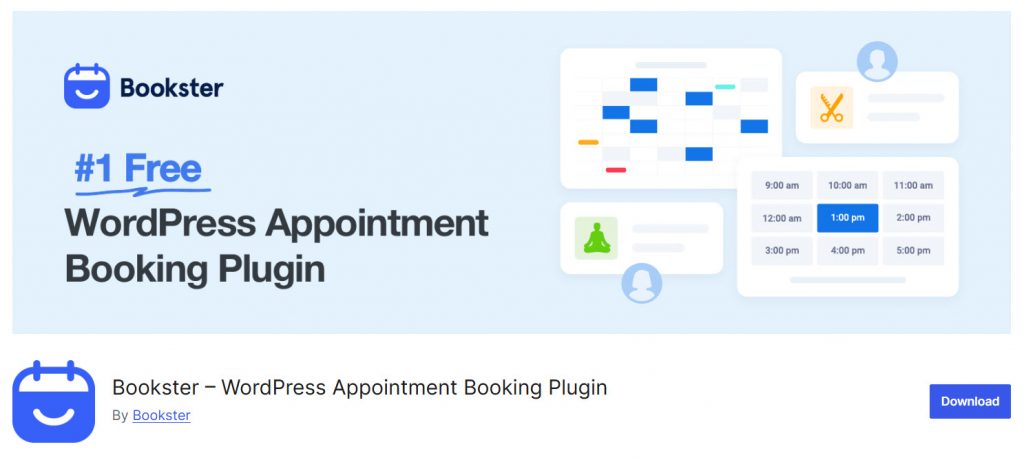
Bookster is a powerful WordPress booking plugin designed for service-based businesses, including personal trainers and fitness coaches.
It allows trainers to accept online bookings, manage schedules, organize multiple services, and automate appointment management directly from the WordPress dashboard.
The plugin includes mobile-friendly booking forms, calendar management, online payment support, and automated notifications, helping personal trainers create a professional booking experience for clients.
Bookster also works well for trainers offering one-on-one sessions, fitness consultations, recurring appointments, and training packages.
For WordPress personal trainer booking websites that need a clean interface and flexible scheduling system, Bookster can be a strong solution for handling online fitness bookings efficiently.
Benefits of Adding Online Booking to a Personal Trainer Website
Adding online booking to a personal trainer website can improve client experience, reduce manual work, and help trainers manage schedules more efficiently.
- 24/7 Booking Availability: Clients can schedule sessions anytime without needing to call or send messages manually.
- Better Schedule Management: Helps personal trainers organize appointments, availability, and client sessions more effectively.
- Reduced Administrative Work: Automates confirmations, reminders, and scheduling tasks, saving time.
- Improved Client Experience: Makes booking faster and more convenient for potential and existing clients.
- Fewer Missed Appointments: Automated reminders help reduce no-shows and forgotten sessions.
- Professional Online Presence: A booking system adds credibility and creates a more modern fitness website experience.
- Increased Booking Conversions: Simple booking workflows encourage more visitors to schedule consultations or training sessions.
- Online Payment Support: Allows trainers to accept payments for sessions, packages, and memberships directly through the website.
Frequently Asked Questions
Now, let’s take a look at some frequently asked questions and answers about this topic.
What are the best WordPress personal trainer booking website examples?
The best WordPress personal trainer booking website examples usually include modern design, mobile-friendly layouts, clear service pages, client testimonials, and an easy online booking system. Strong fitness websites also focus on fast loading speed and simple navigation.
Why do personal trainers need an online booking system?
An online booking system helps personal trainers manage appointments more efficiently, reduce manual scheduling work, and allow clients to book sessions anytime. It also improves the overall customer experience and helps increase booking conversions.
What should a personal trainer booking website include?
A personal trainer booking website should include service pages, trainer profiles, online scheduling, payment options, testimonials, contact forms, and mobile optimization. Many successful WordPress personal trainer booking website examples also include fitness packages and consultation booking.
Which booking plugin is best for personal trainer websites?
A plugin like Bookster can work very well for personal trainer websites because it supports online appointment booking, trainer scheduling, automated reminders, and mobile-friendly booking forms directly within WordPress.
Can I create a personal trainer booking website using WordPress?
Yes, WordPress makes it easy to create a personal trainer booking website using fitness themes and booking plugins. Many trainers use WordPress because it is flexible, scalable, and beginner-friendly.
How important is mobile optimization for fitness websites?
Mobile optimization is extremely important because many users browse fitness services and book training sessions from smartphones. A mobile-friendly booking experience can significantly improve conversions and user engagement.
Can personal trainers accept payments online?
Yes, most modern booking systems allow personal trainers to accept online payments for sessions, memberships, consultations, and fitness packages directly through their website.
How do personal trainer websites improve booking conversions?
Personal trainer websites improve conversions by using clear calls to action, simple booking forms, client testimonials, transformation galleries, and easy-to-understand pricing structures.
Can I manage multiple trainers on one booking website?
Yes, many WordPress booking plugins allow businesses to manage multiple trainers, schedules, and services from a centralized dashboard. This is useful for gyms, fitness studios, and coaching teams.
Is Bookster good for WordPress personal trainer booking websites?
Bookster is a strong option for WordPress personal trainer booking websites because it offers flexible scheduling, online booking management, automated notifications, and a clean user experience for both trainers and clients.
Conclusion
The best WordPress personal trainer booking website examples combine professional design, smooth scheduling, and a user-friendly experience that helps trainers attract and manage clients more effectively.
Features like mobile optimization, online payments, trainer scheduling, and simple booking workflows can significantly improve conversions and client satisfaction.
If you are planning to build your own fitness booking website, WordPress offers the flexibility and tools needed to create a professional platform for personal training services.
Using a booking solution like Bookster can further simplify appointment management, automate scheduling tasks, and help create a seamless booking experience for your clients.
Which one did you like?
Let us know in the comments.
