

Are you looking for the types of events everyone should know about? In this article, we will show you everything you need to know about the different types of events!
Events are an essential part of our personal, professional, and social lives.
From weddings and corporate conferences to virtual meetups and community festivals, knowing the different types of events helps you plan better, participate more effectively, and create meaningful experiences.
In this comprehensive guide, we explore over 30 types of events everyone should know about. You will find clear explanations, real-world examples, and useful insights for each category.
Whether you are an event planner, business owner, student, or simply someone who loves attending events, this guide will help you understand the wide and exciting world of events.
Table of Contents
How to Choose the Right Type of Event
Choosing the right type of event is the foundation of a successful gathering. The best choice depends on your goals, audience, and resources.
- Define Your Primary Goal: Determine whether you want to educate, network, celebrate, raise funds, launch a product, or entertain.
- Understand Your Audience: Consider their age, interests, profession, location, and preferences before selecting the event format.
- Set a Clear Budget: Match the event type to what you can realistically afford — from low-cost webinars to high-end galas.
- Decide on Format: Choose between in-person, virtual, or hybrid based on reach, convenience, and current trends.
- Consider Timing and Scale: Think about how much time you have to plan and how large you want the event to be.
Taking these factors into account will help you select an event type that aligns with your objectives and delivers the best results.
30+ Types of Events Everyone Should Know About
The main categories of events we are going to list are:
- Corporate and business events
- Social and personal events
- Community and nonprofit events
- Educational and professional development events
- Entertainment and cultural events
- Sports and recreational events
- Modern and emerging events
Let’s take a closer look at each option.
1. Corporate & Business Events
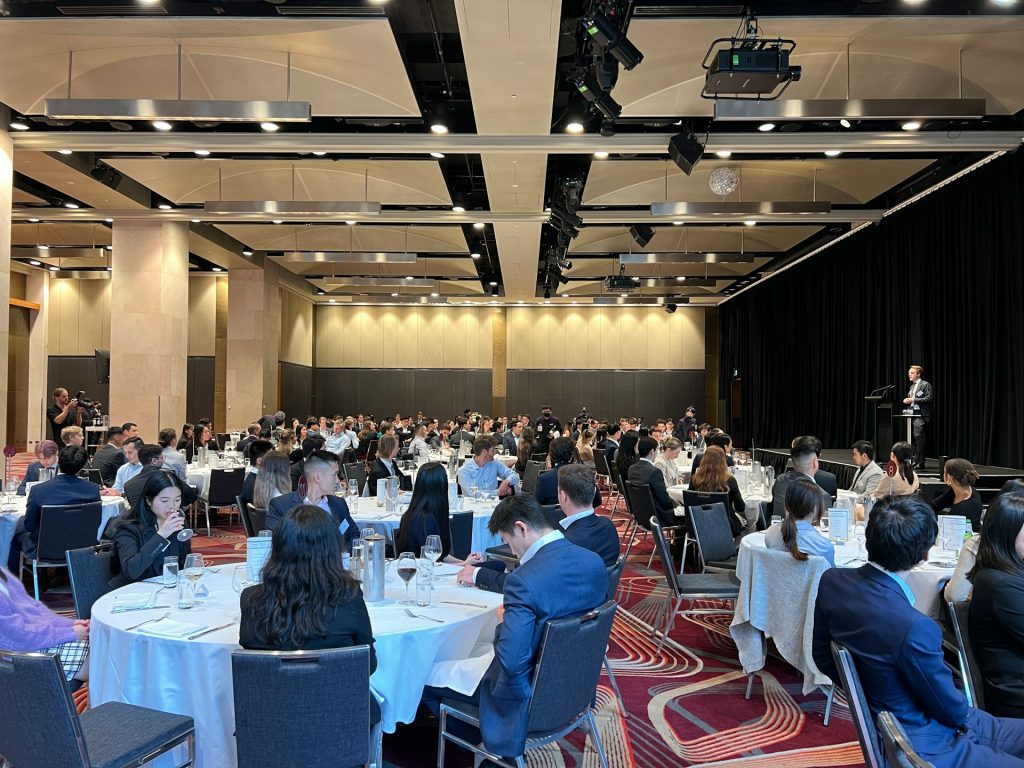
Corporate and business events are organized to achieve specific professional objectives, such as networking, knowledge sharing, brand promotion, and team development.
Here are some important corporate and business event types:
- Conferences: Large-scale events featuring keynote speakers, panel discussions, workshops, and extensive networking opportunities.
- Seminars and Workshops: Focused sessions designed to educate attendees on specific topics, skills, or industry trends.
- Trade Shows and Exhibitions: Events where companies display and demonstrate their products and services to potential buyers and partners.
- Product Launches: High-impact events created to introduce new products or services to the market, media, and customers.
- Corporate Retreats: Off-site gatherings aimed at strategic planning, team bonding, and leadership development.
- Networking Events: Purposefully designed gatherings for professionals to connect, exchange ideas, and explore business opportunities.
- Team Building Events: Activities and experiences created to improve collaboration, communication, and morale among employees.
- Awards and Gala Nights: Formal ceremonies to celebrate achievements, recognize excellence, and honor top performers.
These events are essential for business growth, relationship building, and maintaining a strong professional presence.
2. Social & Personal Events

Social and personal events center on celebrating life’s important moments, strengthening relationships, and creating joyful memories with family and friends.
Here are some important social and personal event types:
- Weddings and Receptions: Ceremonies and celebrations marking the union of two people, often including dinner, dancing, and multiple days of festivities.
- Birthday Parties: Gatherings to celebrate a person’s birthday, ranging from intimate family dinners to large themed parties.
- Anniversaries: Events honoring marriage milestones, business achievements, or personal accomplishments.
- Baby Showers and Gender Reveals: Joyful pre-birth celebrations to honor expecting parents and sometimes reveal the baby’s gender.
- Graduation Parties: Celebrations recognizing academic achievements and the transition to the next chapter of life.
- Holiday Celebrations: Festive gatherings during major holidays such as Christmas, Diwali, Eid, Thanksgiving, and New Year.
- Family Reunions: Multi-generational gatherings where extended family members reconnect and spend quality time together.
- Bachelor and Bachelorette Parties: Fun pre-wedding celebrations organized for the bride or groom with their closest friends.
3. Community & Nonprofit Events
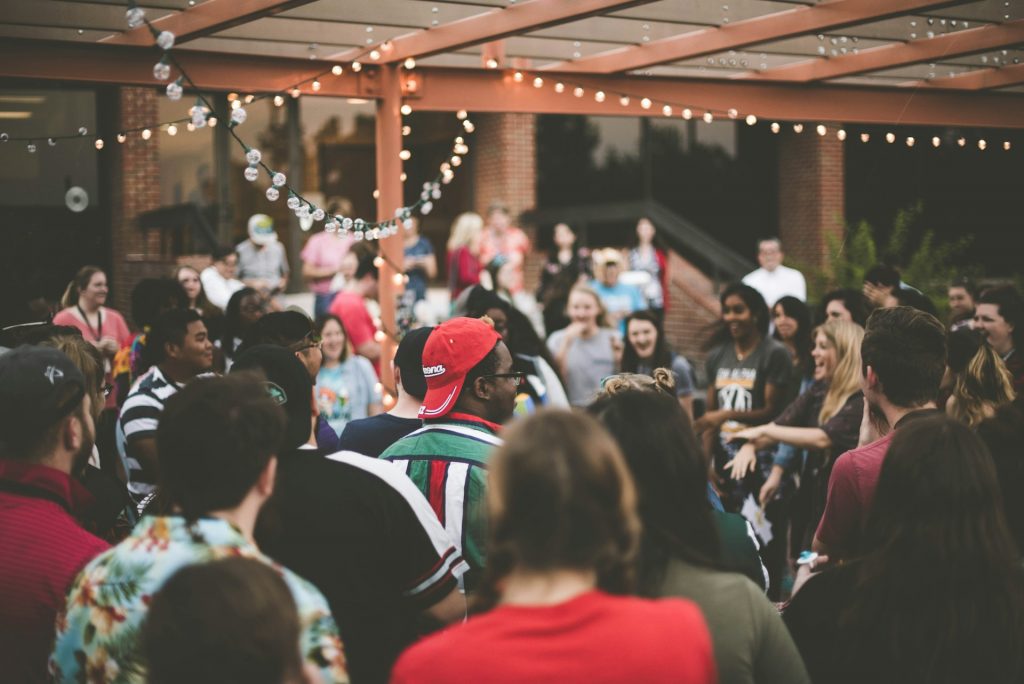
Community and nonprofit events focus on social impact, raising awareness, building connections, and supporting important causes. These events bring people together for a shared purpose.
Here are some important community and nonprofit event types:
- Charity Galas and Fundraisers: Elegant evening events organized to raise funds for charities, hospitals, or social causes through auctions, dinners, and performances.
- Festivals and Fairs: Local celebrations featuring food stalls, games, live performances, crafts, and family activities to promote community spirit.
- Community Clean-up Drives: Volunteer-based events where people come together to clean parks, beaches, rivers, or neighborhoods.
- Cultural Celebrations: Events that showcase and preserve cultural heritage through music, dance, food, traditional attire, and storytelling.
- Awareness Campaigns and Walks: Marches, runs, or campaigns designed to raise awareness about health issues, mental health, the environment, or social justice.
- Volunteer Drives and Service Projects: Organized activities such as food bank drives, tree planting, blood donation camps, or helping the elderly.
These events are powerful for creating positive social change, strengthening local communities, and encouraging collective action.
4. Educational & Professional Development Events
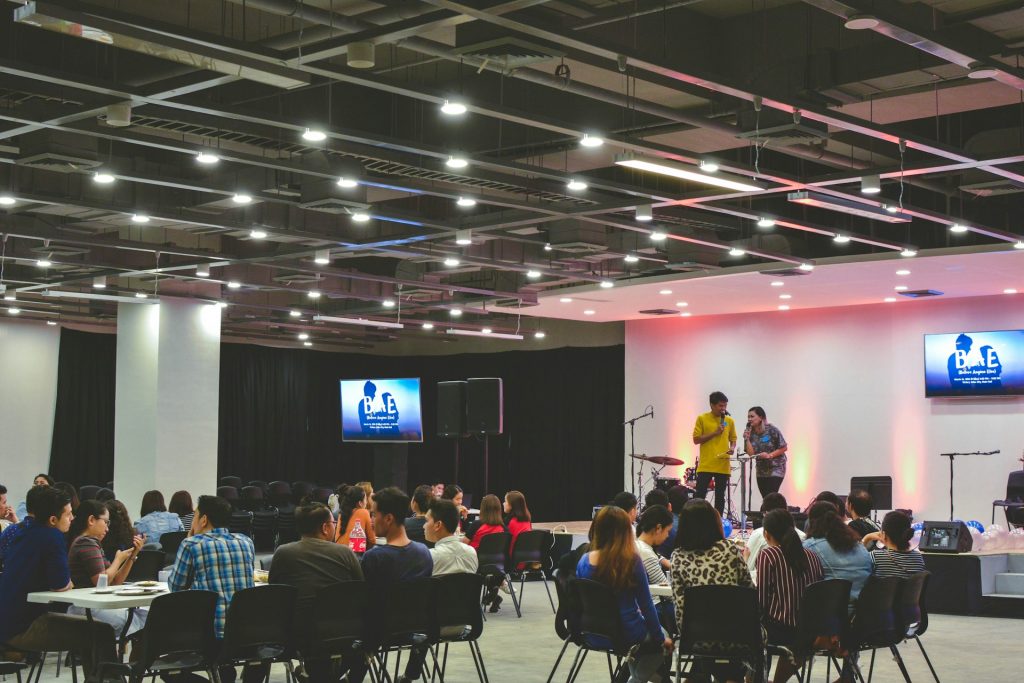
Educational and professional development events focus on learning, skill enhancement, knowledge sharing, and career growth. They are ideal for students, professionals, companies, and institutions.
Here are some important educational and professional development event types:
- Conferences: Large-scale events featuring keynote speakers, panel discussions, and networking sessions on specific industries or topics.
- Seminars and Workshops: Focused, interactive sessions that teach practical skills or provide in-depth knowledge on a particular subject.
- Webinars and Online Courses: Virtual learning sessions that allow participants to join from anywhere and learn at their own pace.
- Panel Discussions: Events where industry experts discuss trends, challenges, and opportunities in front of an audience.
- Hackathons and Innovation Challenges: Time-bound events where teams collaborate to solve problems, build prototypes, or create new ideas.
- Training Programs and Bootcamps: Intensive sessions designed to build specific technical or professional skills quickly.
- Alumni Reunions and Networking Events: Gatherings that help former students or professionals reconnect, share experiences, and build valuable connections.
These events are highly effective for personal growth, career advancement, and staying up to date with the latest developments in any field.
5. Entertainment & Cultural Events
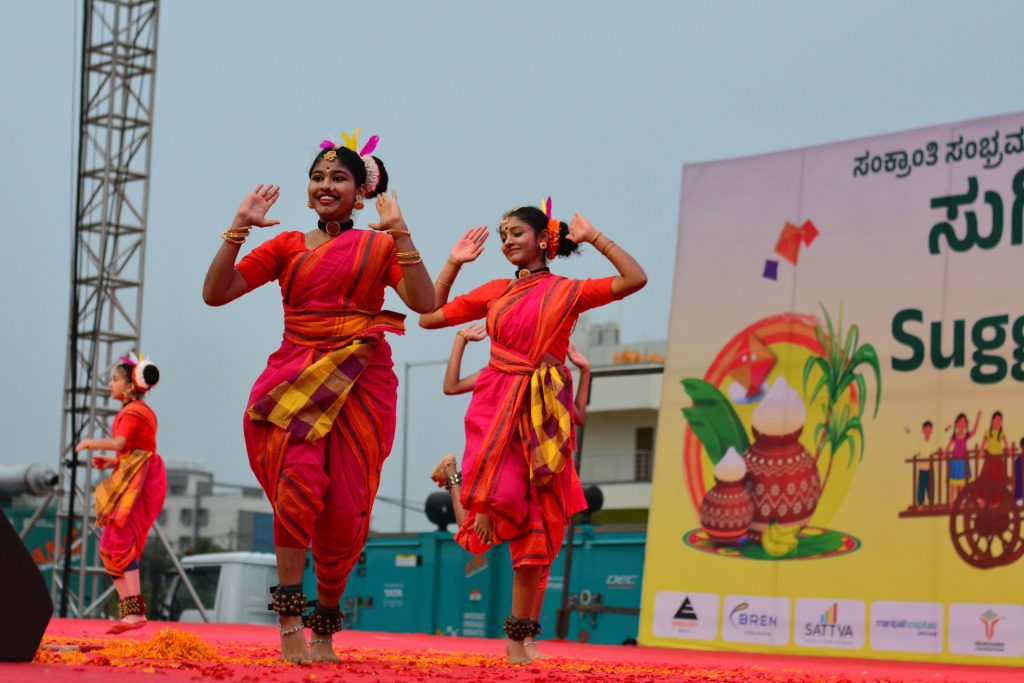
Entertainment and cultural events focus on creativity, celebration, performance, and the preservation of traditions. They are excellent for community engagement, tourism, and creating memorable shared experiences.
Here are some important entertainment and cultural event types:
- Music Concerts and Festivals: Live music performances ranging from intimate gigs to large multi-day music festivals featuring various artists and genres.
- Art Exhibitions and Shows: Events that showcase paintings, sculptures, photography, digital art, and interactive installations.
- Theater and Performing Arts: Stage plays, musical theater, dance performances, ballet, and drama festivals.
- Film Screenings and Film Festivals: Movie premieres, independent film festivals, documentary screenings, and outdoor cinema nights.
- Comedy Nights and Stand-up Events: Live comedy shows, open mic nights, improv performances, and comedy festivals.
- Cultural Celebrations and Heritage Festivals: Events that celebrate specific cultures through food, music, dance, traditional attire, and customs.
These events are highly effective for building community spirit, promoting cultural awareness, and delivering enjoyable experiences to diverse audiences.
6. Sports & Recreational Events
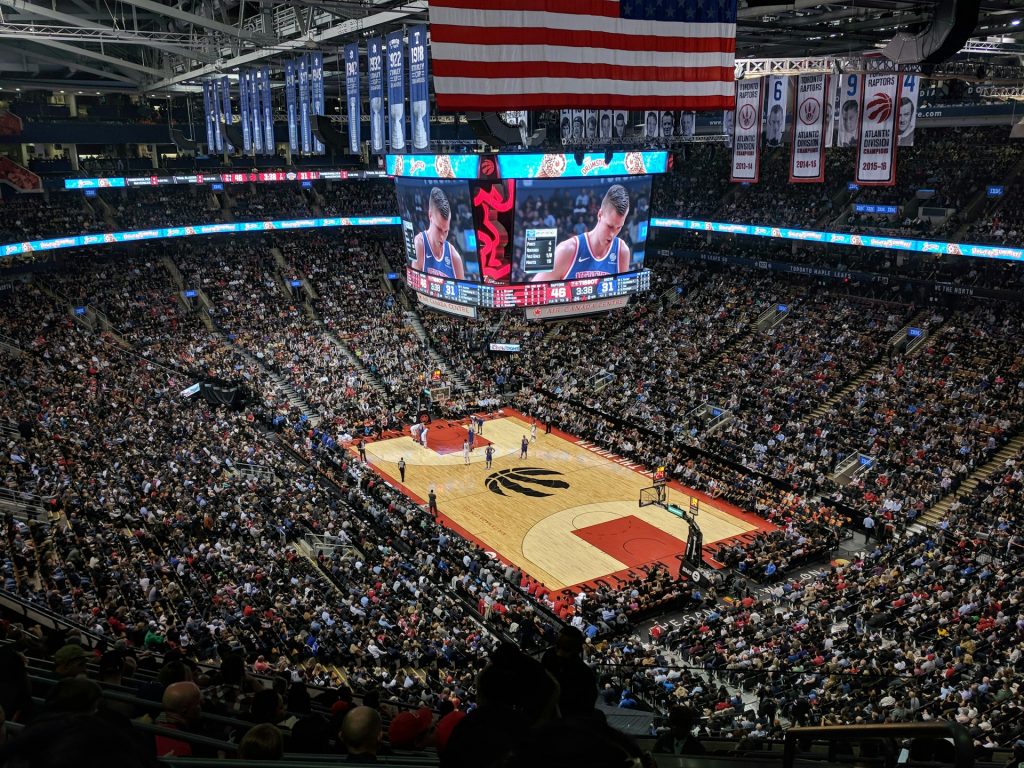
Sports and recreational events are popular for promoting physical activity, community spirit, competition, and entertainment. They appeal to a wide audience and work well for both professional organizers and local communities.
Here are some important sports and recreational event types:
- Tournaments and Competitions: Organized sporting events such as football tournaments, basketball leagues, badminton championships, or table tennis contests.
- Marathons and Fun Runs: Road races including full marathons, half marathons, 5K runs, charity runs, and themed fun runs.
- Fitness Bootcamps and Challenges: Group training sessions such as CrossFit competitions, yoga challenges, obstacle races, or weight-loss bootcamps.
- Sports Festivals: Multi-sport celebrations featuring games, demonstrations, coaching sessions, and family-friendly activities.
- Outdoor Adventure Events: Adventure-based gatherings like hiking expeditions, cycling tours, kayaking races, trail runs, or rock climbing events.
These events are effective because they combine physical activity, social connection, and memorable experiences for participants of all ages and skill levels.
7. Modern & Emerging Events

Modern and emerging events reflect how technology, sustainability, and changing audience preferences are shaping the future of gatherings. These formats offer fresh, innovative experiences that go beyond traditional events.
Here are some notable modern and emerging event types:
- Virtual Events: Fully online events hosted on digital platforms. Examples include virtual conferences, webinars, online summits, and digital trade shows.
- Hybrid Events: Events that combine both in-person and virtual attendance. This format allows people to participate either physically or remotely.
- Immersive Experiences: Highly interactive events designed to engage all senses. Examples include VR activations, escape room-style events, and multisensory brand experiences.
- Metaverse Events: Gatherings held in virtual 3D worlds where attendees interact using avatars. Popular in gaming, fashion shows, and product launches.
- Pop-up Events: Temporary and surprise events held in unique locations for a short time to create excitement and exclusivity.
- Sustainability-Focused Events: Eco-conscious events that prioritize zero waste, carbon neutrality, and green practices.
These event types are gaining popularity because they offer greater flexibility, wider reach, and more engaging experiences for today’s audiences.
Pro Tips for Organizing Any Type of Event Successfully
Organizing a successful event requires more than just good ideas. These practical tips will help you plan and execute any event smoothly and effectively:
- Start with a Clear Goal: Define the main purpose of your event early so every decision supports that objective.
- Create a Detailed Timeline: Break down all tasks with deadlines and work backward from the event date.
- Know Your Audience Well: Understand their preferences, expectations, and pain points to deliver a better experience.
- Choose the Right Format and Venue: Match the event type, size, and budget with the most suitable location or platform.
- Build a Strong Team: Assign clear roles and responsibilities to avoid confusion during execution.
- Promote Strategically: Start marketing early and use multiple channels to reach your target audience.
- Focus on the Attendee Experience: Pay attention to details such as seating, food, timing, and engagement activities.
- Prepare a Backup Plan: Always have alternatives ready for bad weather, technical issues, or low turnout.
- Use the Right Tools: Leverage event management tools for registrations, payments, and communication. We recommend using Bookster for managing everything.
- Collect Feedback Afterward: Send surveys to learn what worked and what needs improvement for future events.
Following these tips will help you consistently deliver professional and memorable events.
Common Mistakes to Avoid When Planning Events
Even experienced organizers make these mistakes. Avoiding them will help you save time, money, and stress while delivering a better event:
- Copying Other Events: Trying to replicate a successful event without adapting it to your own audience and goals usually falls flat.
- Focusing Only on Logistics: Spending all energy on the venue and schedule while ignoring attendees’ emotions and experiences leads to boring events.
- Over-Promising in Marketing: Creating high expectations through flashy promotion and then delivering average results damages your credibility.
- Treating All Attendees the Same: Failing to personalize the experience for different audience segments (VIPs, sponsors, first-timers, etc.).
- Relying Too Much on Technology: Using too many untested apps and tools without proper backups often causes technical disasters on event day.
- Ignoring Silent Feedback: Not paying attention to small signs of dissatisfaction during the event until it’s too late.
- Last-Minute Changes: Making major decisions close to the event date can lead to unnecessary stress and errors.
- Forgetting the Human Touch: Running an overly corporate or robotic event that lacks warmth and genuine connection.
Learning from these common mistakes will help you organize smoother, more successful events.
- 920+ Reiki and Energy Healing Business Name Ideas
- 850+ Advertising Agency Name Ideas That Actually Stand Out
- What’s New in Bookster 3.3.0
- 720 Yoga Studio Name Ideas for a Calm, Memorable Brand
- 7 Best WP Simple Pay Alternatives & Payment Gateway Options
Frequently Asked Questions
Now, let’s take a look at some frequently asked questions and answers on this topic.
What are the different types of events?
Events can be broadly categorized into corporate, social, community, educational, entertainment, sports, and emerging modern categories such as virtual, hybrid, and immersive experiences.
What is the difference between a conference and a seminar?
A conference is a large-scale event with multiple sessions, speakers, and networking opportunities. A seminar is smaller, more focused, and usually centers on in-depth learning or training on a specific topic.
Which type of event is best for lead generation?
Networking events, trade shows, product launches, and webinars are highly effective for generating quality business leads.
What is a hybrid event?
A hybrid event allows people to attend either in person at a physical venue or virtually from anywhere, combining both formats.
Are virtual events still relevant?
Yes. Virtual and hybrid events continue to be popular because they reduce costs, increase accessibility, and allow organizers to reach a global audience.
What type of event works best for team building?
Team building events, corporate retreats, workshops, and outdoor adventures are ideal for improving teamwork and company culture.
How do I choose the right type of event for my purpose?
Start by clearly defining your goal, understanding your target audience, setting a realistic budget, and considering the best format (in-person, virtual, or hybrid) that matches your objectives.
What is the difference between a festival and a fair?
A festival focuses on celebration, culture, music, or entertainment. A fair is typically more commercial, featuring vendors, exhibitions, product displays, and sales.
Can small businesses successfully organize big events?
Yes. Small businesses can run successful events by starting small, focusing on a clear goal, leveraging digital tools, and scaling gradually based on experience.
What are some trending event types right now?
Hybrid events, immersive experiences, wellness retreats, sustainability-focused events, and virtual reality events are currently among the most popular formats.
Conclusion
Events are a powerful way to connect people, deliver value, and create memorable experiences. Whether you are planning a corporate conference, a wedding, a community festival, or a virtual webinar, understanding the different types of events helps you make smarter decisions and achieve better results.
This guide covered over 30 types of events with real examples, along with practical tips on choosing the right format, avoiding common mistakes, and organizing successfully. The key is to always start with a clear goal and keep your audience at the center of every decision.
Now that you have a solid understanding of the wide world of events, it is time to take action. Choose the type that best matches your purpose, plan carefully, and create an event that leaves a lasting impression.
Which type of event are you planning to organize next?
Share your thoughts in the comments below!
We hope you found this article helpful and enjoyed reading it. If you did, feel free to check out our blog archive for more useful guides and tips. Also, check out our YouTube channel, X, and Facebook page to get the latest news.
